
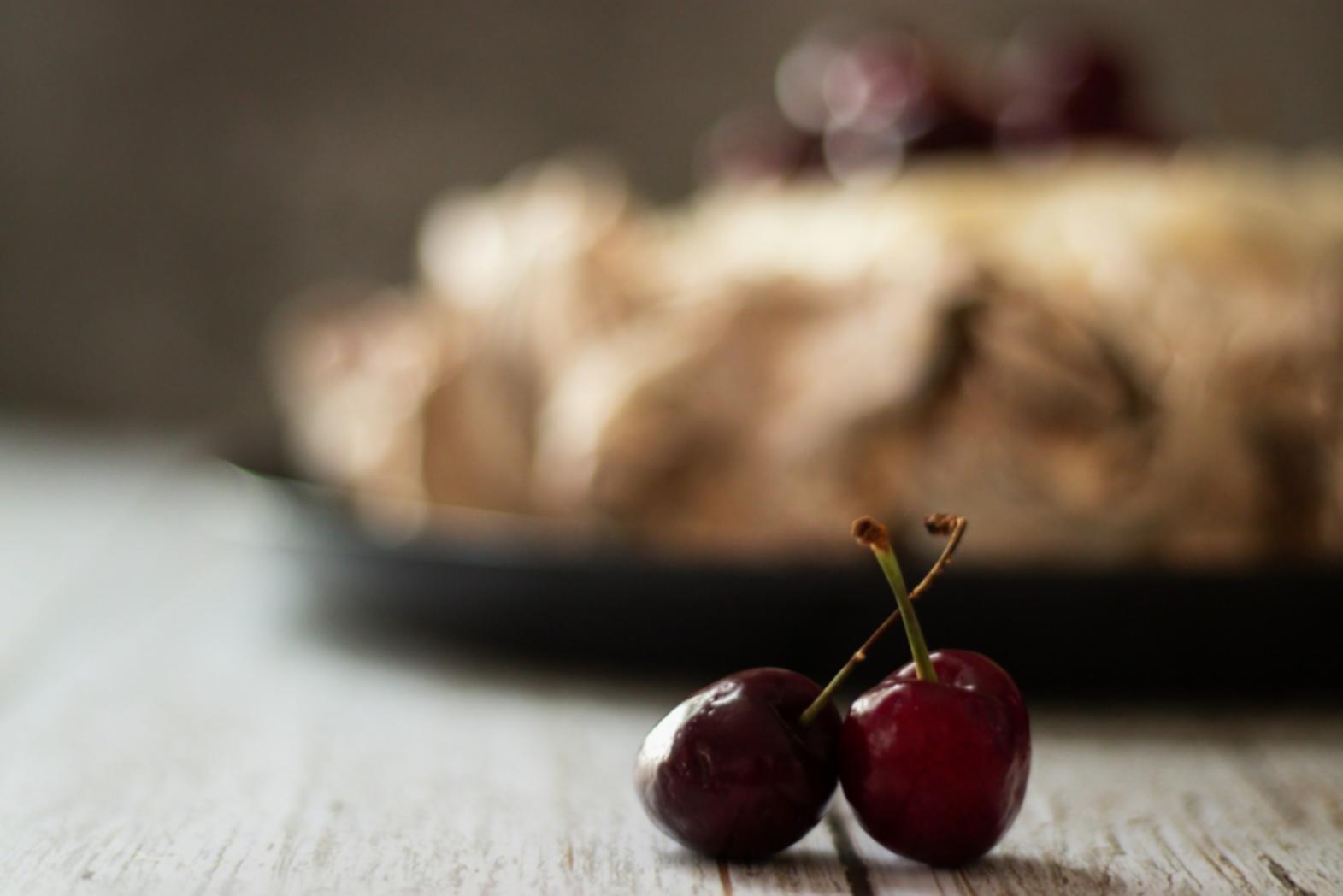
A dish that looks perfect on a plate can look flat, messy, or dull in a photograph. The reverse is also true - some techniques used in food styling would never survive actual service. This course lives in that gap.
What food stylists actually do
Professional food stylists work with specific tools: heat guns, tweezers, glycerin sprays, toothpicks, and paintbrushes. You will learn what each tool does, when to use it, and how to replicate many of these effects with household alternatives when a full kit is not available.
The course runs across 8 modules and covers both overhead and 45-degree angle styling, which require different compositional thinking. You will also work through color grading basics so your plating decisions account for how the camera reads color temperature.
Practical shooting scenarios
Each module ends with a styled shoot assignment using either a smartphone or a DSLR. You will submit 3 final images per assignment - one overhead, one angled, one detail shot - and receive written feedback within 5 business days.
- 8 modules covering styling, composition, and light setup
- Tool guide with household substitutes listed for each item
- 3 image submissions per module with written instructor feedback
- Access to a resource library of 60 reference images with styling notes
The camera does not see what your eyes see. Styling is the work of closing that gap.Module 2 opening
This course suits food bloggers, restaurant marketers, recipe developers, and anyone producing food content for print or social media.
Program Outline
Full Program
Module 1 - How cameras read food differently than human eyes
Color temperature, depth of field, and lens distortion all change how a plate reads. This module sets up the visual logic behind every styling decision that follows.
Module 2 - The food stylist toolkit
- Heat guns and torches for surface finishing
- Glycerin and water misting for freshness effects
- Toothpicks, skewers, and hidden supports for structure
- Household substitutes for each professional tool
Module 3 - Overhead composition rules
Flat lay styling requires a different sense of balance than plated presentation. This module covers grid-based layouts, negative space, and prop selection for overhead shots.
Module 4 - Angled and three-quarter shots
The 45-degree angle reveals height, layers, and texture. Learn how to build dishes that read well from this angle without looking engineered.
Module 5 - Sauce and liquid styling
Soups, sauces, and beverages behave unpredictably under lights. This module covers techniques for controlling pooling, surface shine, and steam effects.
Module 6 - Garnish placement for camera
Microherbs wilt under hot lights within 8 minutes. Learn timing strategies and substitution options that maintain the visual without compromising the shoot.
Module 7 - Light setup for food photography
Natural light, diffused window light, and artificial setups are each covered with specific recommendations for different dish types and color palettes.
Module 8 - Final styled shoot project
Style and photograph a full 3-dish spread. Submit 9 final images with a written styling rationale. Instructor provides individual written critique for each submission.