
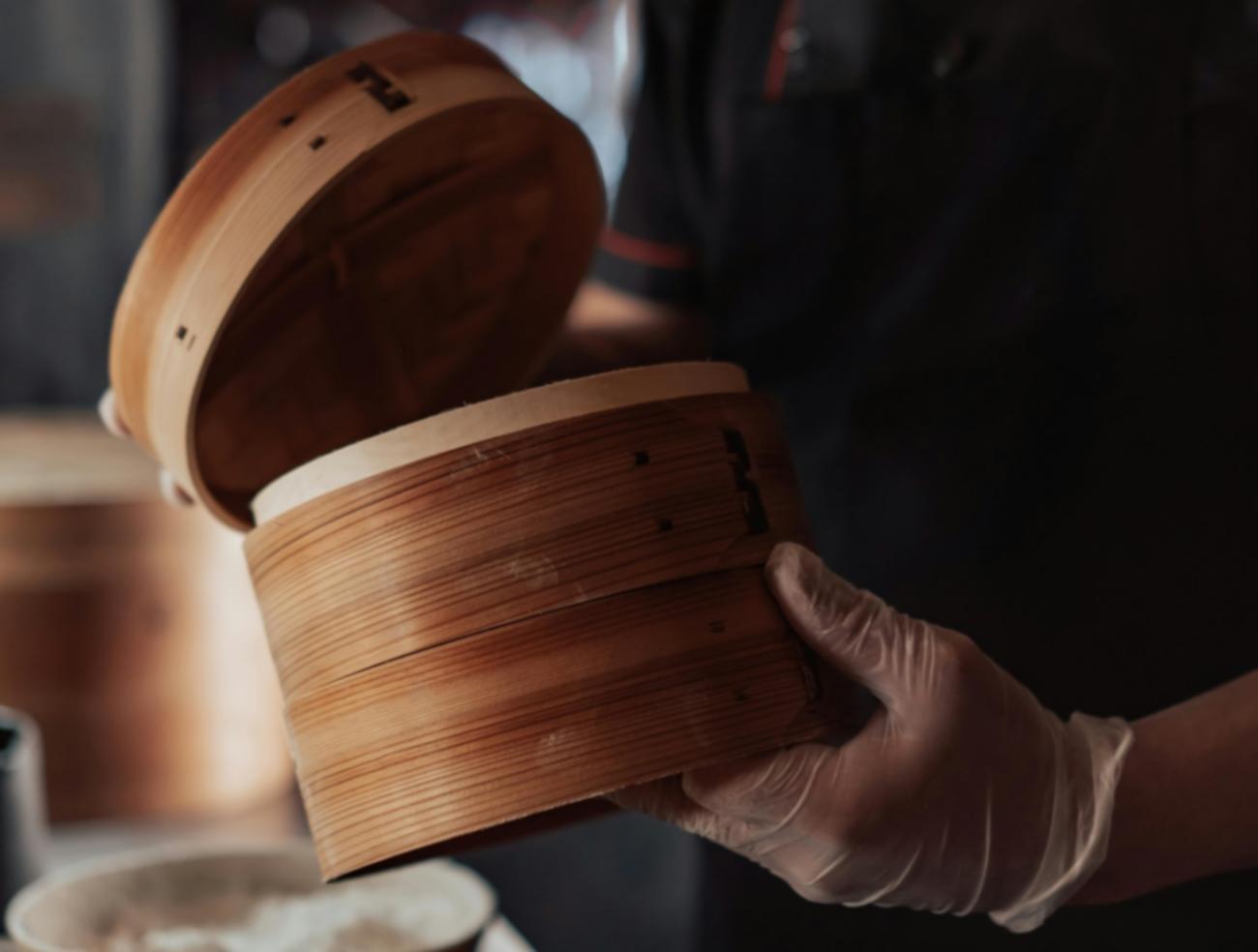
Plates that make people stop and look before they eat
What the learning feels like in practice
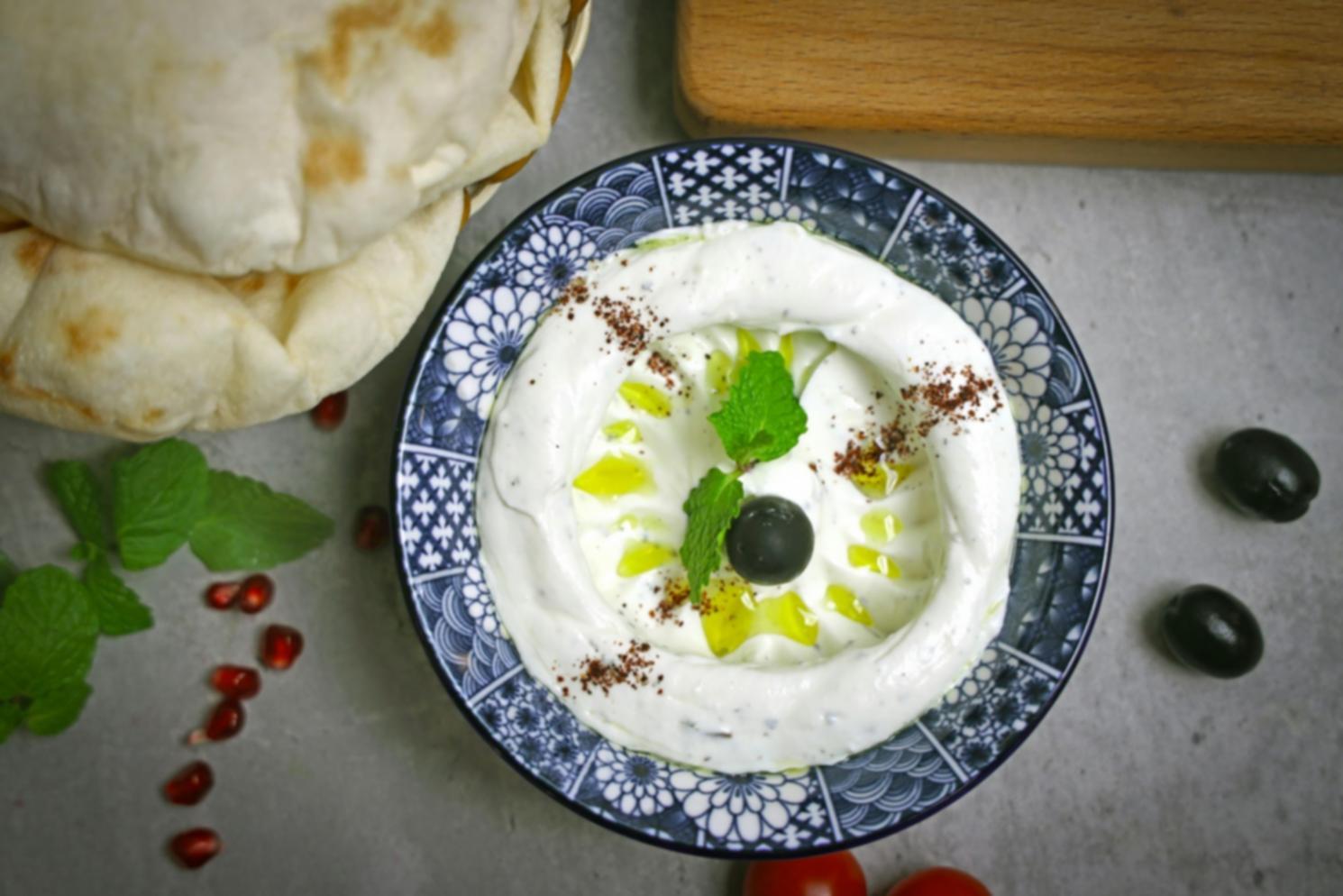
Most people who come here already cook well. What shifts is how they think about the plate as a surface - not just a vessel for food, but a deliberate composition.
Early sessions focus on seeing: negative space, color contrast, height variation. You start noticing things on restaurant plates you never registered before.
By the third or fourth lesson, the decisions become faster. Sauce placement, garnish scale, the angle of a protein - these stop being guesses and start having reasons behind them.


When this kind of learning actually sticks
You already cook regularly
Plating skills build on existing kitchen confidence. If you're still working out timing and flavor, presentation tends to wait - and that's fine.
You care about the visual side
Some cooks genuinely don't. This material rewards people who find themselves drawn to how a dish looks before anyone touches it.
You have 20 minutes to practice
Plating is a physical skill. Reading about it helps, but the improvement comes from doing it repeatedly with real food on a real plate.
The approach behind consistent outcomes
Since 2021, the material here has been built around one principle: teach the reasoning, not just the result. A technique you understand is one you can adapt.
Every lesson connects a visual decision to why it works - proportion, contrast, focal point. That context is what separates a plated dish that holds up from one that only looks right by accident.
People who go through this tend to describe the same shift: they stop copying plates they've seen and start making their own calls with confidence.
I'd been cooking the same dishes for years. After working through the composition lessons, I started seeing my own plates differently - and so did everyone who ate at my table.

The explanation of negative space alone changed how I set up a plate. It sounds abstract but the lesson made it immediately practical.
What I appreciated most was that nothing here felt like a rule. It was more like learning to read a plate - and once you can read it, you can write your own.